Networking
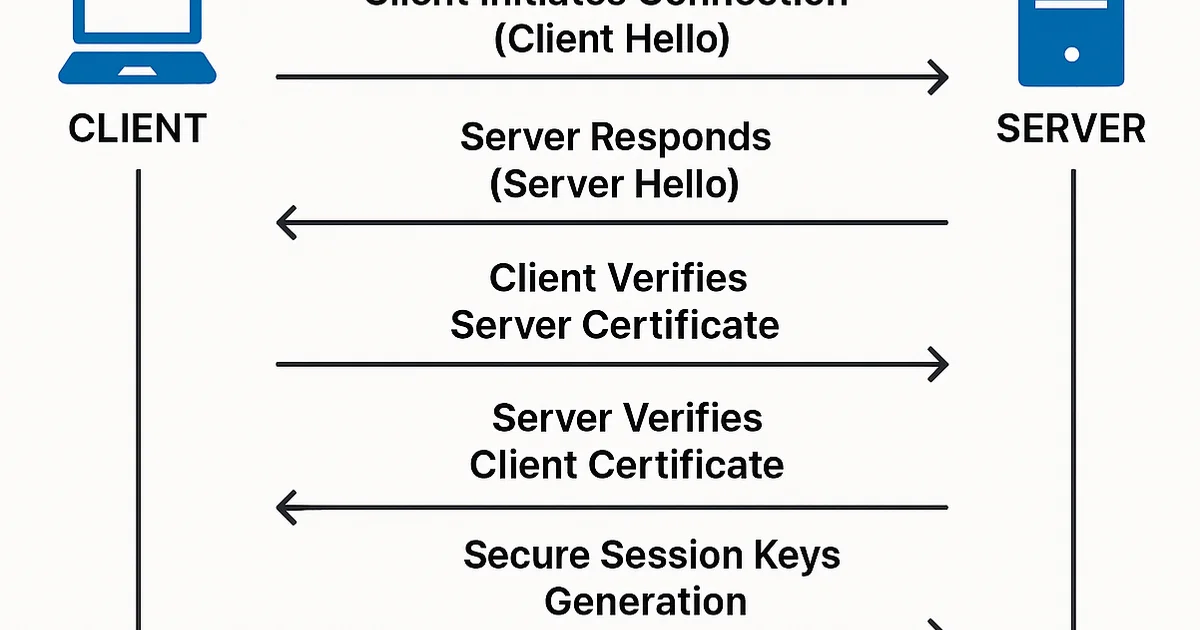
How TLS Handshakes Work: The Cryptography Behind HTTPS
A step-by-step guide to TLS 1.3 handshakes covering key exchange, certificate chain validation, cipher suites, forward secrecy, and session resumption with 0-RTT.
10 min read·
A step-by-step guide to TLS 1.3 handshakes covering key exchange, certificate chain validation, cipher suites, forward secrecy, and session resumption with 0-RTT.
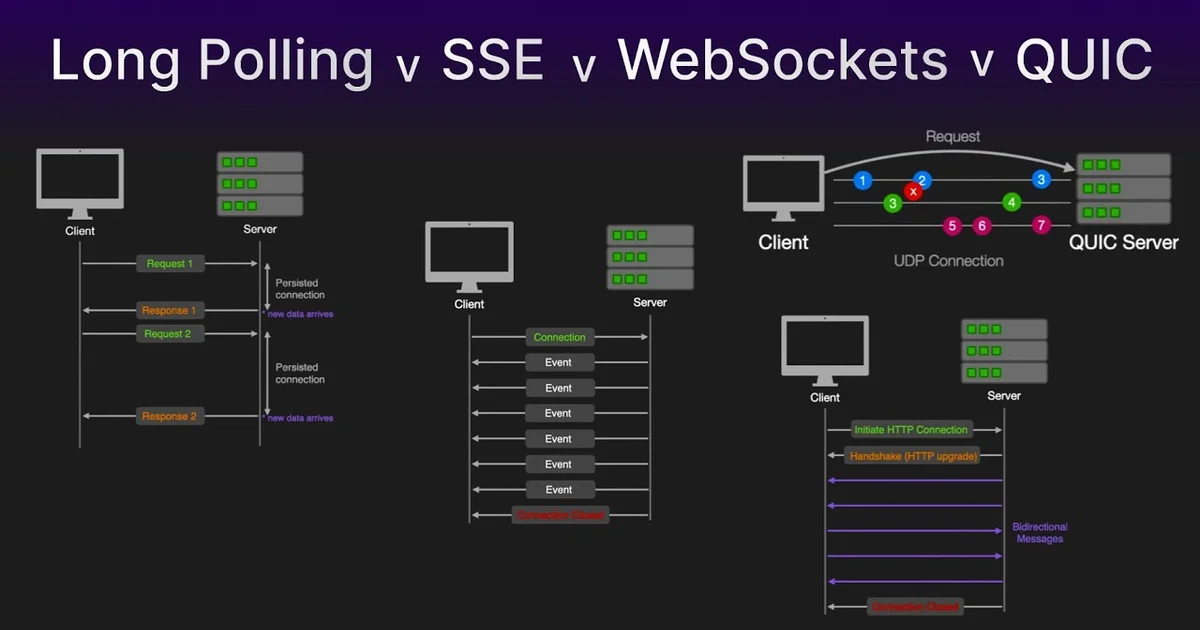
A practical comparison of WebSockets, Server-Sent Events, and long polling with code examples, use case mapping, scaling strategies, and a clear decision framework.
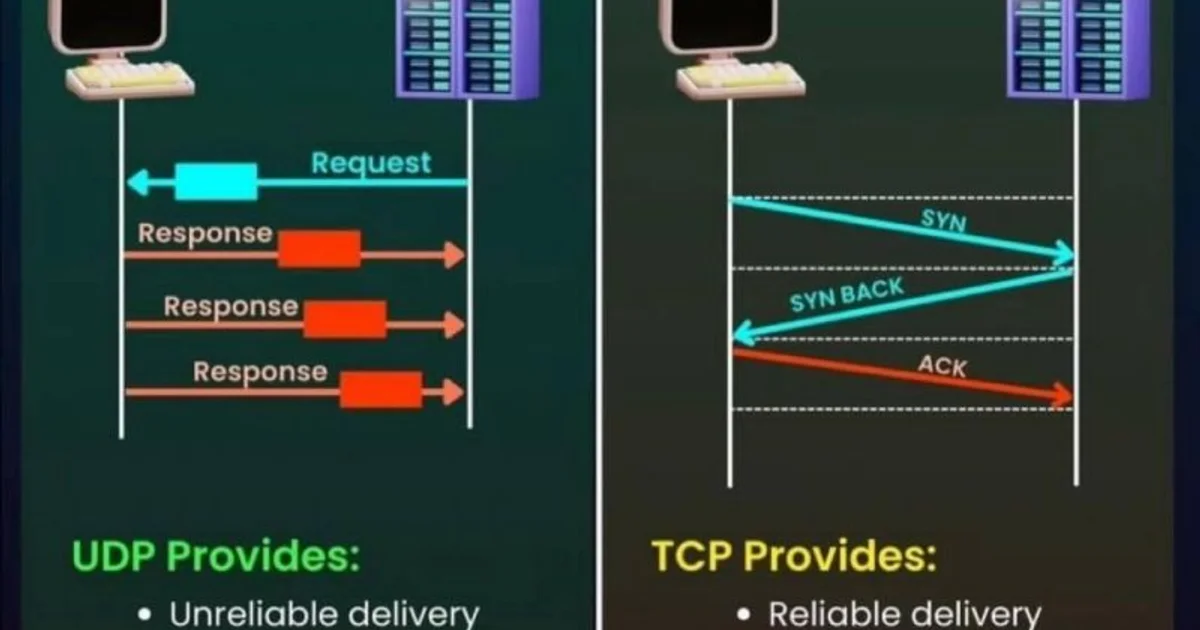
A practical comparison of TCP and UDP covering connection overhead, head-of-line blocking, congestion control, and exactly when to choose speed over reliability in your applications.
A deep comparison of HTTP/2 and HTTP/3 covering multiplexing, QUIC, head-of-line blocking, real-world performance differences, and how to configure your servers for both protocols.
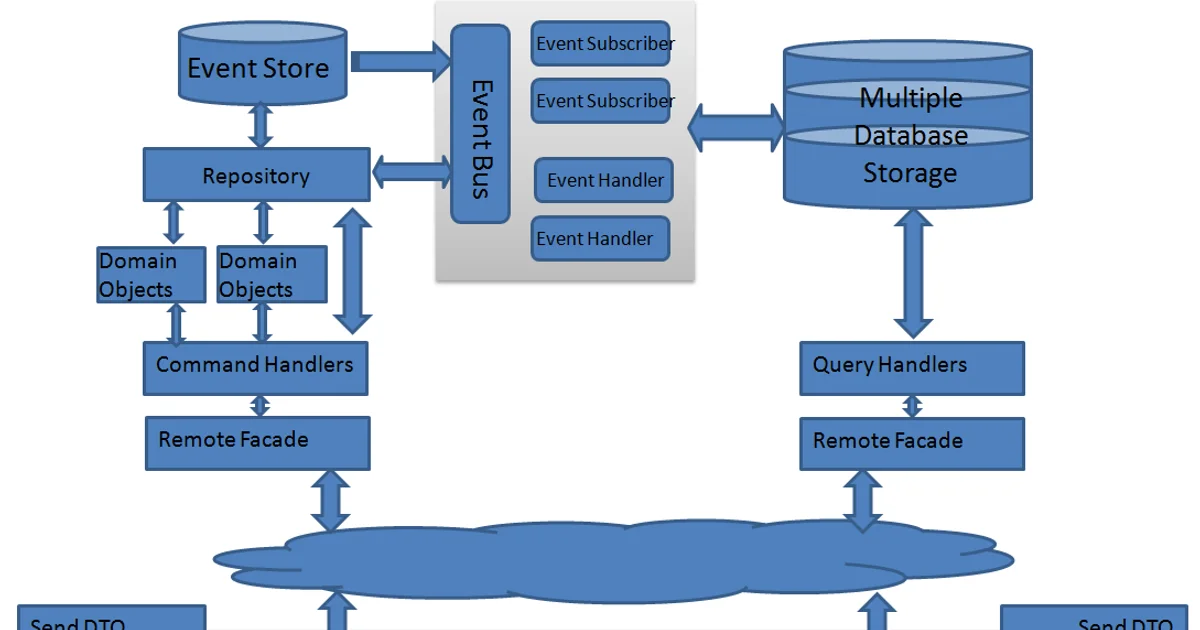
CQRS separates read and write models for independent optimization. Event Sourcing stores every state change as an immutable event. Learn when each pattern solves real problems, with TypeScript implementations, projection examples, and event store comparisons.
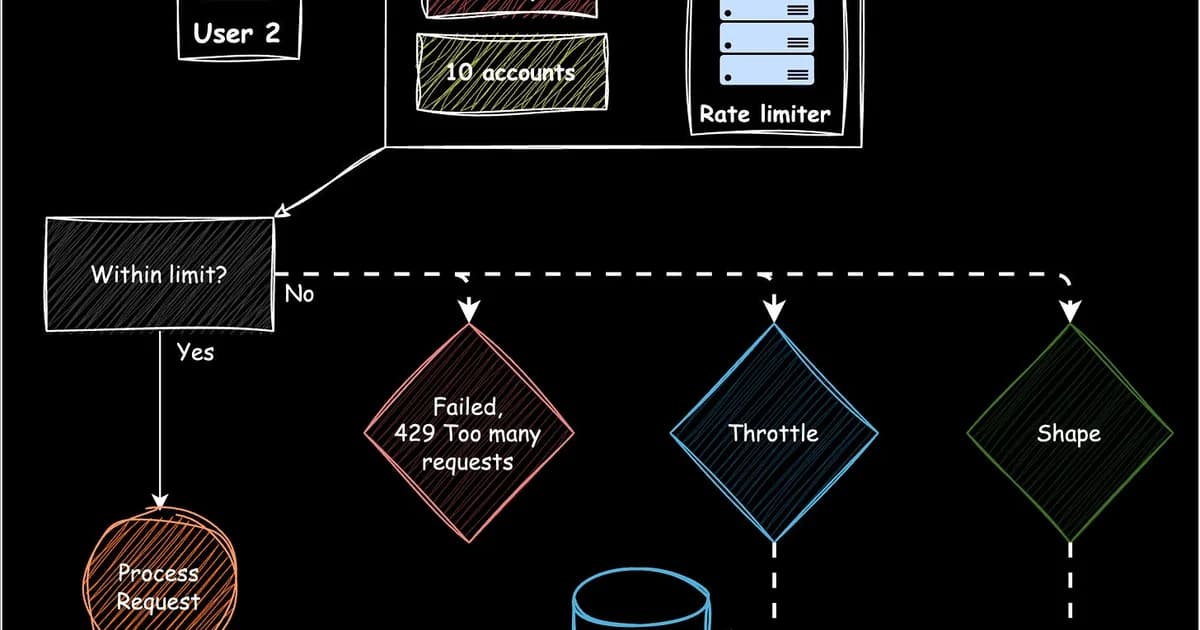
Compare the four main rate limiting algorithms -- Token Bucket, Leaky Bucket, Sliding Window Log, and Fixed Window Counter. Includes Redis Lua implementations, nginx configuration, distributed rate limiting patterns, and managed service pricing.

REST for public APIs, GraphQL for complex frontends, gRPC for service-to-service. Learn when to use each API design pattern, with comparisons of error handling, versioning, authentication, and managed gateway pricing.
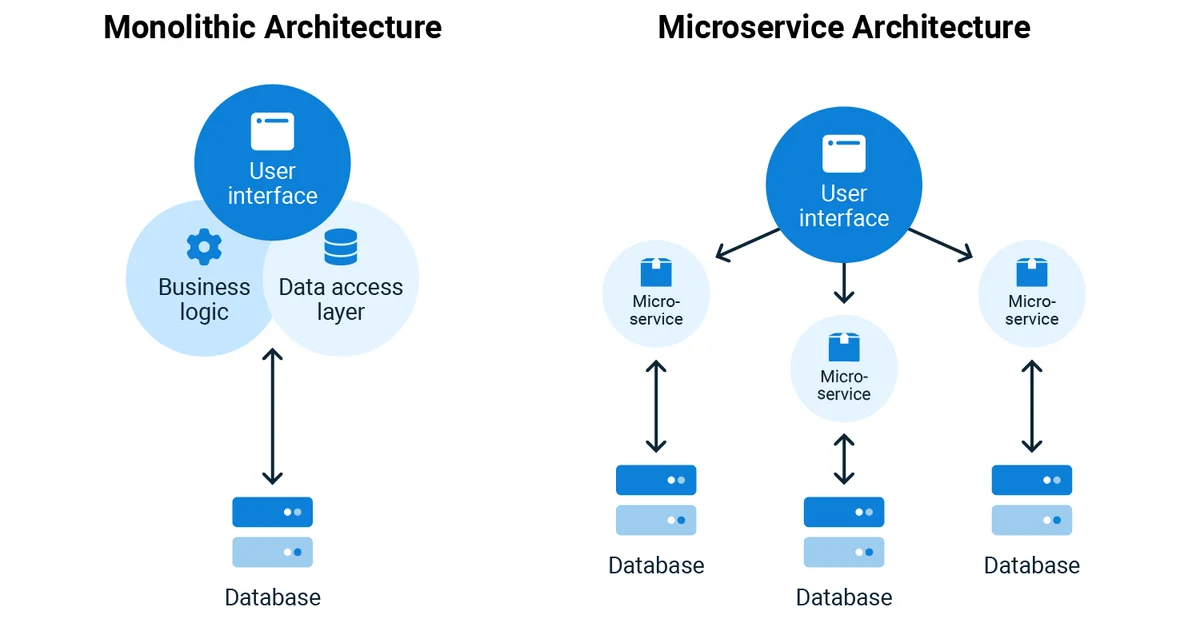
The microservices vs monolith decision depends on team size, deployment needs, and organizational structure. Learn the five-question decision framework, the Strangler Fig migration pattern, and why most teams should start with a well-structured monolith.
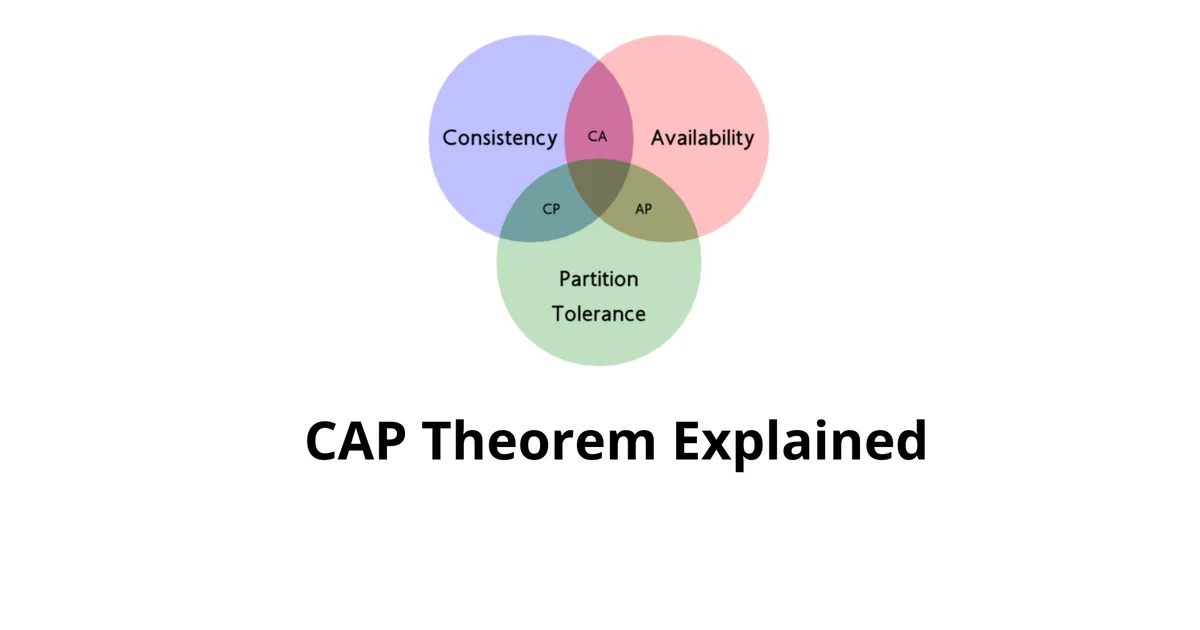
The CAP theorem forces a trade-off between consistency and availability during network partitions. Learn how PostgreSQL, Cassandra, DynamoDB, and other databases handle this trade-off, plus the PACELC extension that captures what CAP misses.
New articles delivered to your inbox. No spam.