What is BGP? The Protocol That Runs the Internet
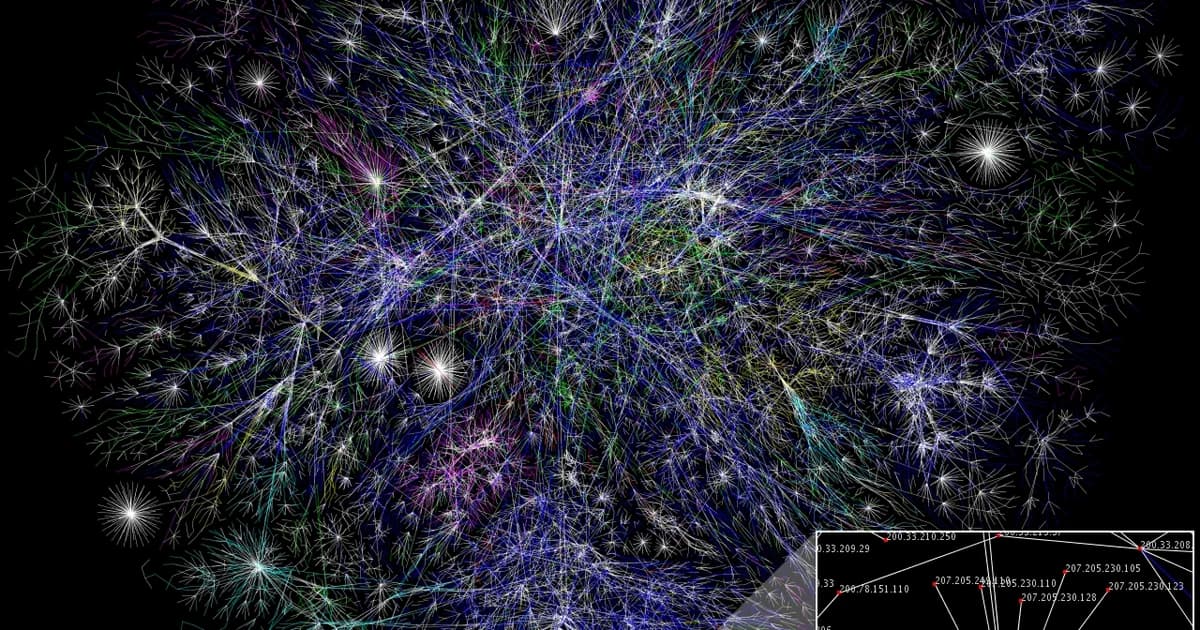
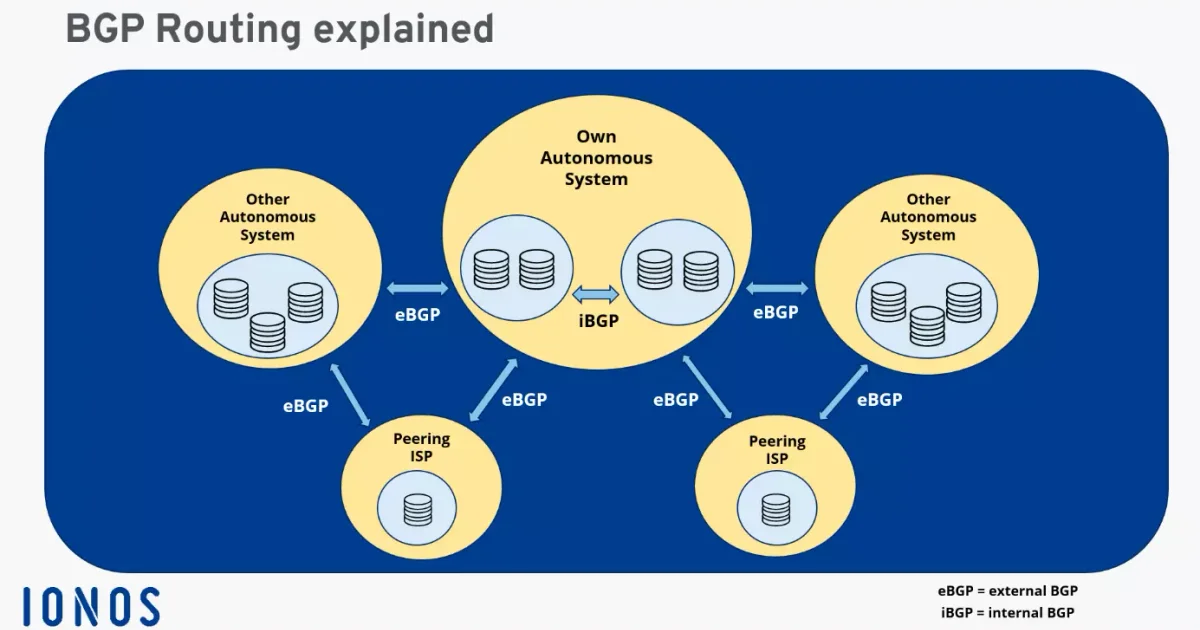
A comprehensive guide to BGP covering autonomous systems, route selection, BGP hijacking, RPKI, anycast routing, and how 75,000 independent networks form a single navigable internet.
How the internet actually works. DNS resolution, reverse proxies, load balancing, TLS handshakes, and CDN caching explained with diagrams and real configurations.
8 articles

A comprehensive guide to BGP covering autonomous systems, route selection, BGP hijacking, RPKI, anycast routing, and how 75,000 independent networks form a single navigable internet.

A practical guide to CIDR notation and subnetting covering binary IP math, prefix lengths, private ranges, VPC CIDR carving, and Kubernetes subnet sizing with worked examples.

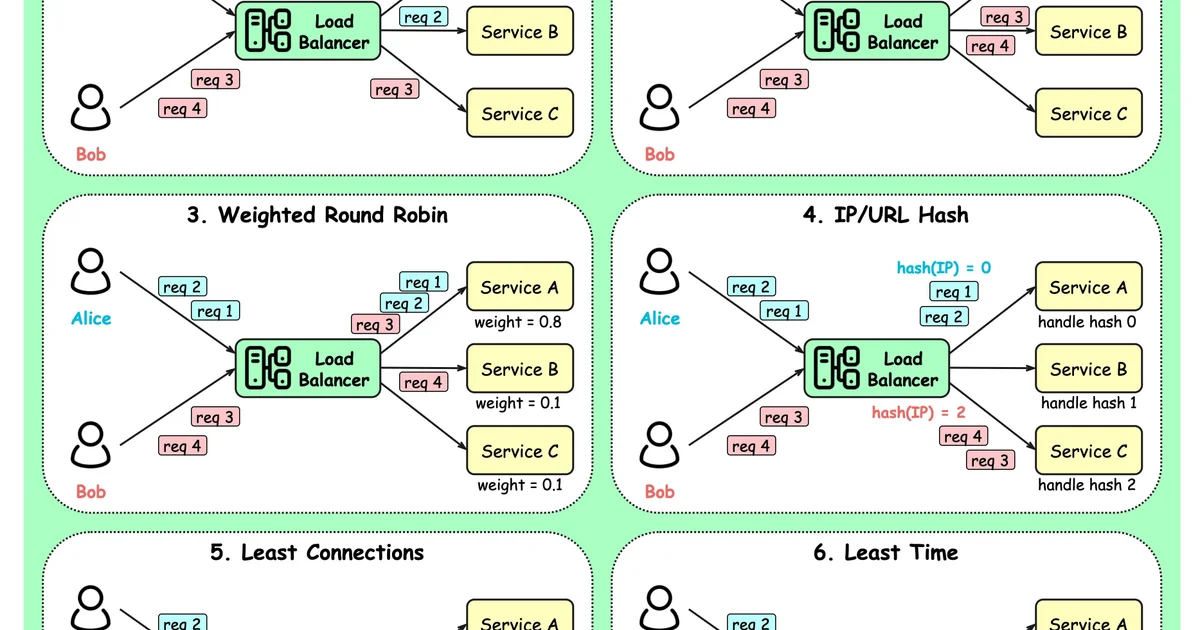
A practical guide to load balancing algorithms -- round robin, least connections, IP hash, consistent hashing, and power of two choices -- with nginx and HAProxy configurations.

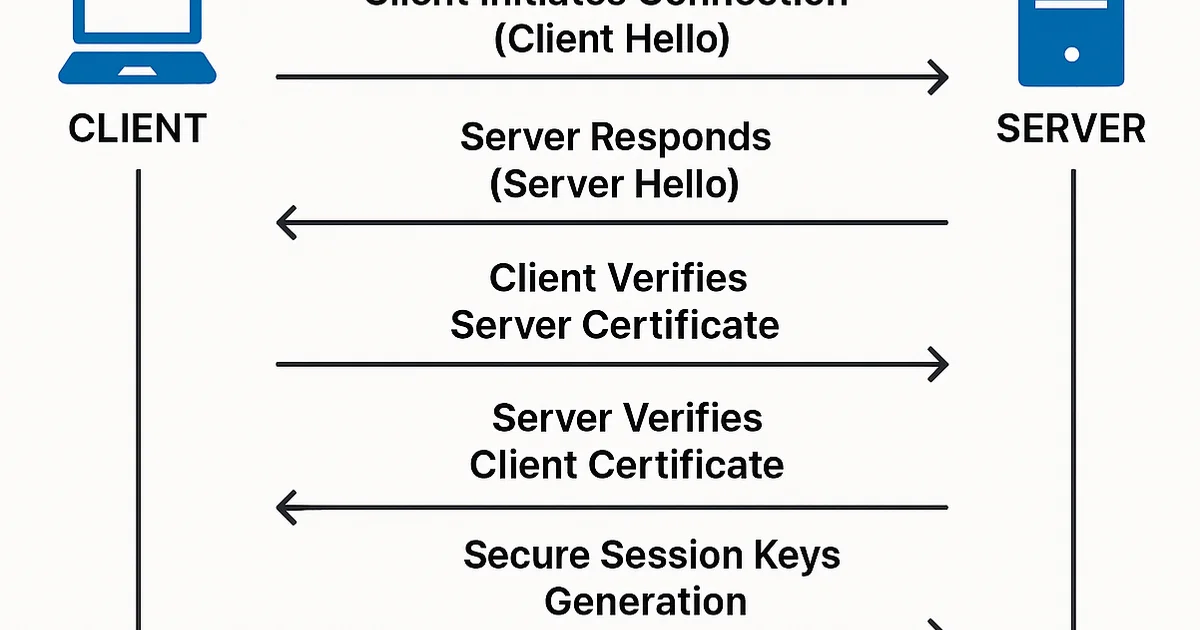
A step-by-step guide to TLS 1.3 handshakes covering key exchange, certificate chain validation, cipher suites, forward secrecy, and session resumption with 0-RTT.

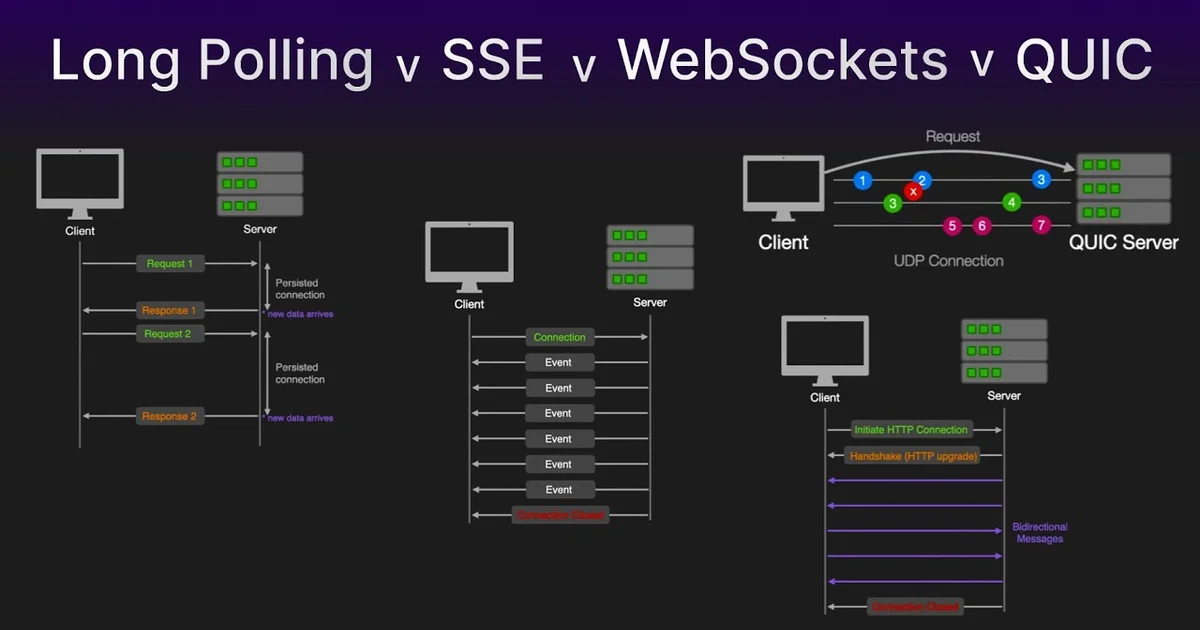
A practical comparison of WebSockets, Server-Sent Events, and long polling with code examples, use case mapping, scaling strategies, and a clear decision framework.

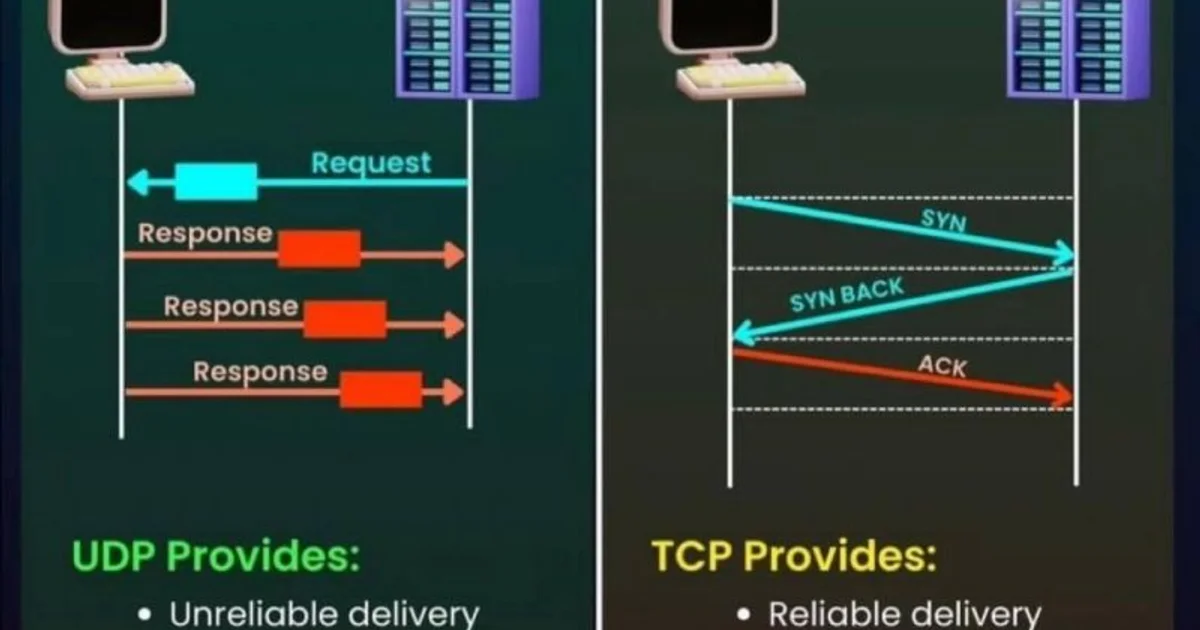
A practical comparison of TCP and UDP covering connection overhead, head-of-line blocking, congestion control, and exactly when to choose speed over reliability in your applications.

A deep comparison of HTTP/2 and HTTP/3 covering multiplexing, QUIC, head-of-line blocking, real-world performance differences, and how to configure your servers for both protocols.

DNS translates domain names into IP addresses in milliseconds. Trace the full resolution chain step by step, learn every record type, and debug common failures like NXDOMAIN and SERVFAIL.
New articles delivered to your inbox. No spam.